When you scroll through Instagram, it seems like everyone is travelling to Japan – and it’s easy to see why. A favourite destination for Canadians, Japan offers something for every type of traveller: from endless food options and matcha cafes to Pokémon Centres, ancient temples, and neon-lit city streets. A little planning before you go can make your trip smoother, safer, and more enjoyable.
Keep reading to discover five things you need to know before visiting Japan.
1. Download Essential Travel Apps
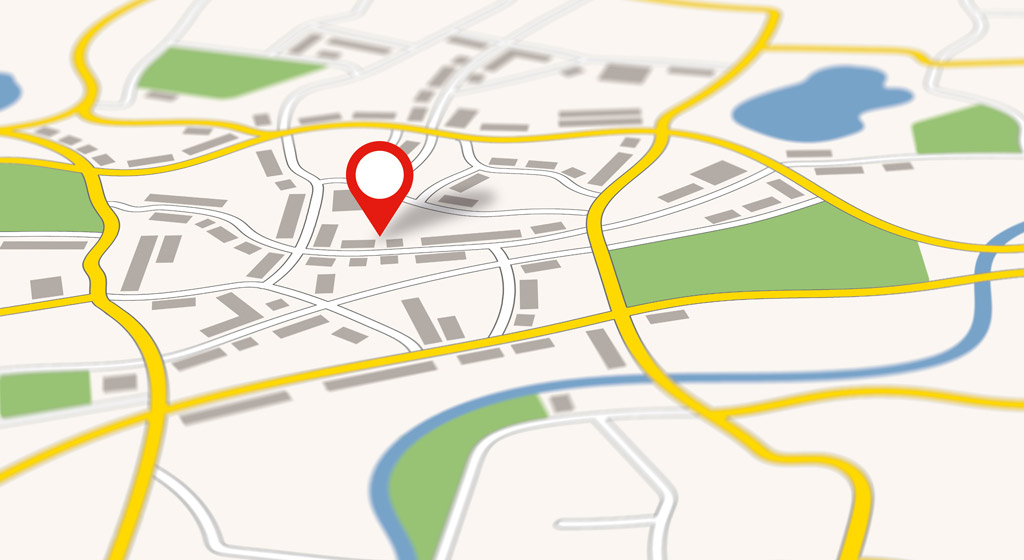
Japan’s public transit system is clean, reliable, and extensive, but navigating major cities such as Tokyo and Osaka can feel intimidating at first. You may have heard stories of visitors boarding the wrong train and getting lost for hours while trying to navigate the public transit system.
Prepare before you leave by saving your must-see spots to a list in Google Maps for easy access to walking directions, train routes, platform details, and estimated fares. Japan Travel by NAVITIME is another useful option for planning rail travel.
English signage is common in tourist areas and on major transit lines, but it’s still helpful to learn a few basic phrases such as konnichiwa (hello), arigatō gozaimasu (thank you) and sumimasen (excuse me). Additionally, it’s helpful to use Google Translate for its camera feature to read menus, product labels, and signs.
2. Set Up Mobile Data Before Departure
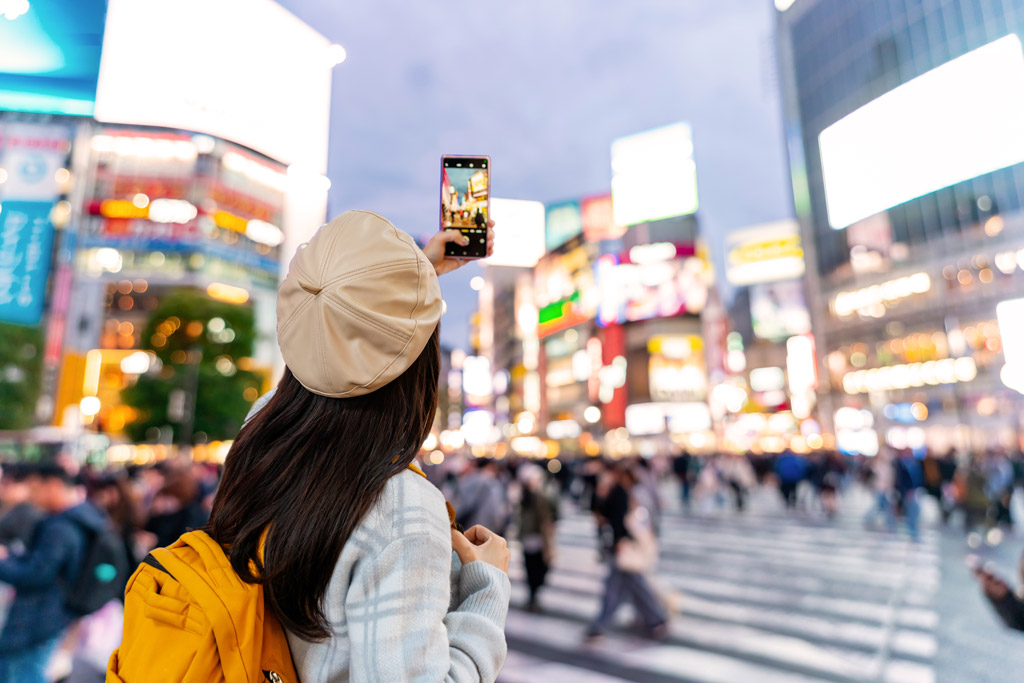
You don’t have to wait until you arrive at the airport to arrange your mobile data. Save time with an eSIM or pocket Wi-Fi before leaving Canada.
With MySIM, eligible TuGo policyholders receive 3GB of complimentary mobile data, powered by aloSIM, available to use in over 100 countries worldwide*, including Japan.
Get an eSIM: eSIMs are handy for travel as you’ll have cellular data for Google Maps and translation apps as soon as you arrive.
Get pocket Wi-Fi: Perfect if you’re travelling as a family or a group and need to connect multiple devices, pocket Wi-Fiis a handy way to connect to the same network while travelling together.
*Although available to use in over 100 countries, MySIM is applicable for one country per use.
Tip: Save your hotel address in both English and Japanese. This is especially helpful when taking a taxi, uber, or asking for directions.
3. Bring Japanese Yen
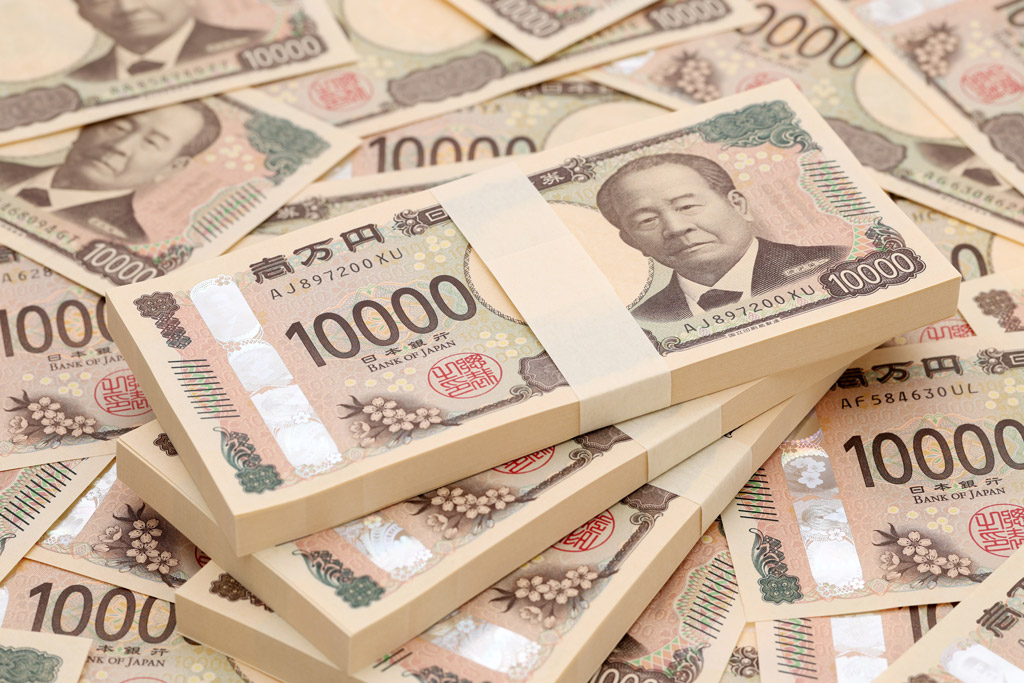
Credit cards are widely accepted in major cities, hotels, and department stores across Japan. However, some small restaurants, market stalls, temples, and traditional shops may be cash-only, so it’s ideal to carry some Japanese yen.
If you need more while you’re there, 7‑Eleven ATMs are a convenient option to withdraw cash. Also, before you leave, check that your debit or credit card is enabled for international withdrawals. Another option is to pre-load load a Wize card (acts like a digital debit card) with some Japanese Yen, if need be.
Tip: Japan has a strict no-tipping culture. Offering extra money can cause confusion or, in some settings, be considered impolite.
4. Plan Rail Travel Carefully
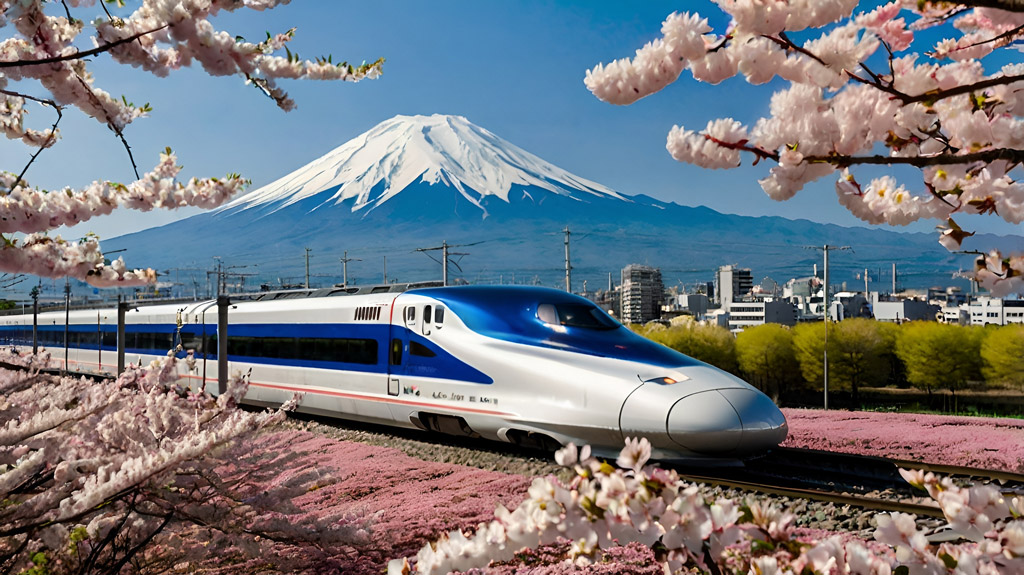
Planning to visit more than one city? The Japan Rail Pass (JR Pass) can be a convenient and cost-efficient option to cover long distances by train. It provides access to many JR Group rail lines, including most shinkansen (bullet train) services, and is available for various travel durations.
Before purchasing, compare its cost with the price of individual train tickets for your planned itinerary. For the best chance of a Mount Fuji view, choose the right side of the train when travelling from Tokyo to Kyoto and left side if coming from the opposite direction.
Another option is to buy and load a rechargeable IC card. These cards make it easy to pay for local trains, buses, vending machines, and convenience stores.
Tip: It’s important to respect Japan’s quiet train culture by keeping your phone on silent, avoiding loud conversations, and refraining from taking phone calls.
5. Make Sure You Travel Protected
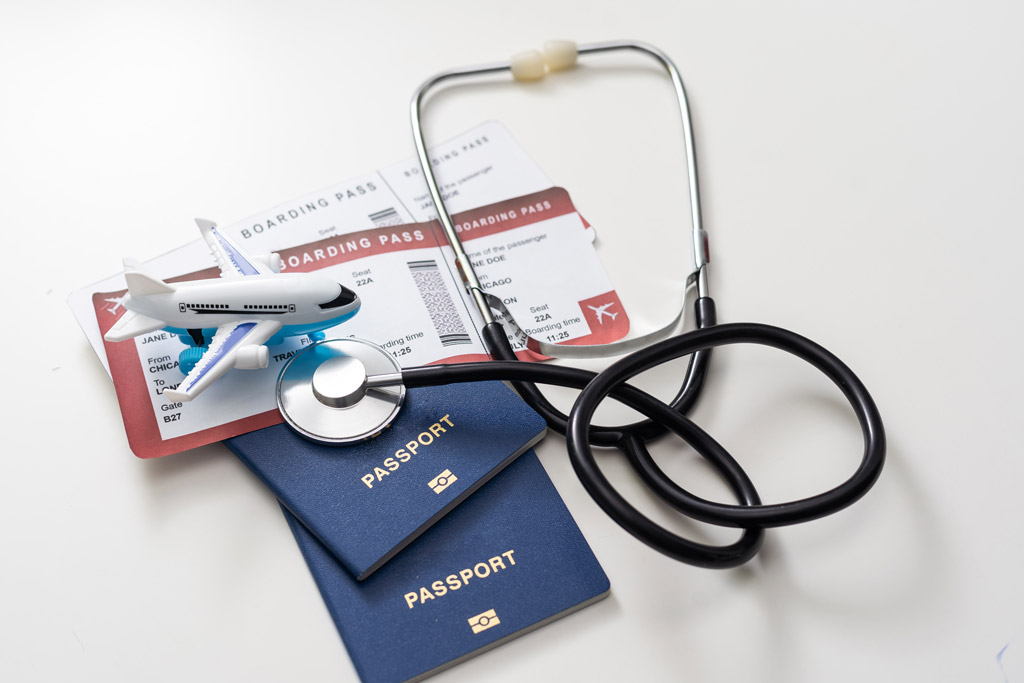
Canadians can generally visit Japan visa-free for short tourist stays, but entry rules can change. Before departure, confirm passport validity, entry requirements, and any health guidance through official Government of Canada and Japanese government websites.
You’ve planned the route and the itinerary; the last thing you want is an unexpected medical emergency or travel disruption to throw your Japan trip off course. That’s where travel insurance can help. Look for travel insurance that includes emergency medical coverage, trip interruption, and cancellation protection. An unexpected illness, injury, or travel disruption can be costly — especially when you are far from home. TuGo’s travel insurance can help Canadians prepare for the unexpected, so they can focus on enjoying everything Japan has to offer.
Sayonara,
Candice
