I was born and raised in Lyon, a city in France’s Auvergne-Rhône-Alpes region. After living there for 25 years, I moved to Canada 15 years ago, but I still return to my hometown from time to time with my husband and friends. Founded in the first century BC by the Romans after they invaded the Gauls, the city has grown over the centuries while preserving its historical architecture. It has a lot to offer, from historic districts and museums to a vibrant restaurant scene. Let me take you on a tour of some of Lyon’s best highlights.
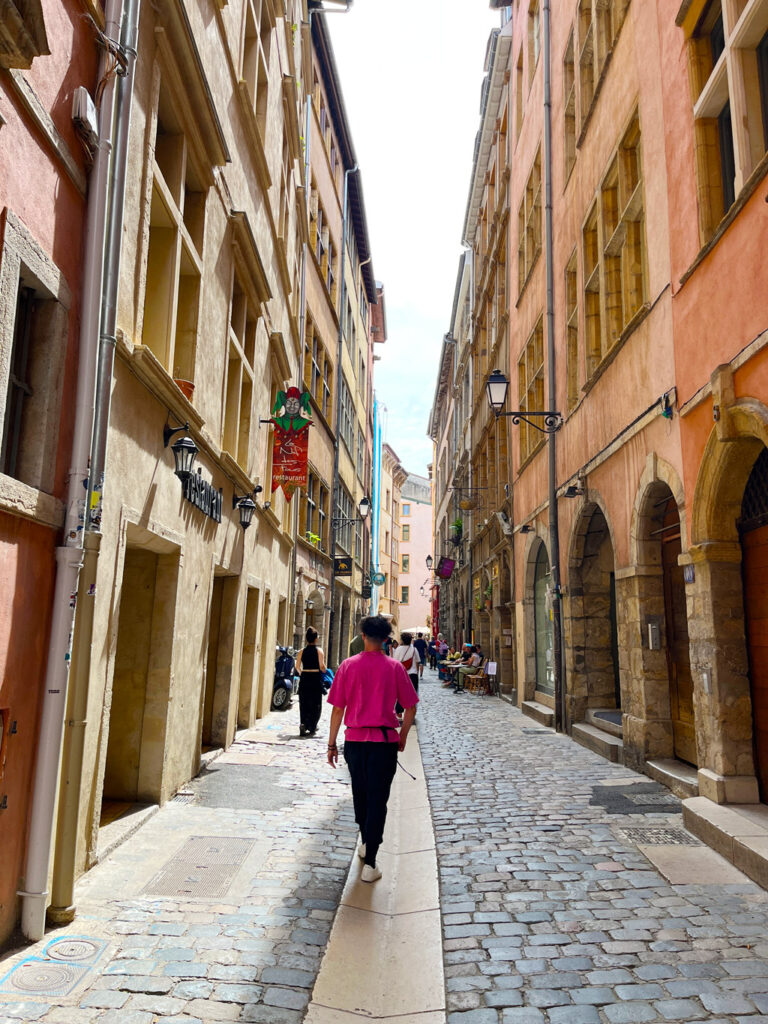
Strolling the old town
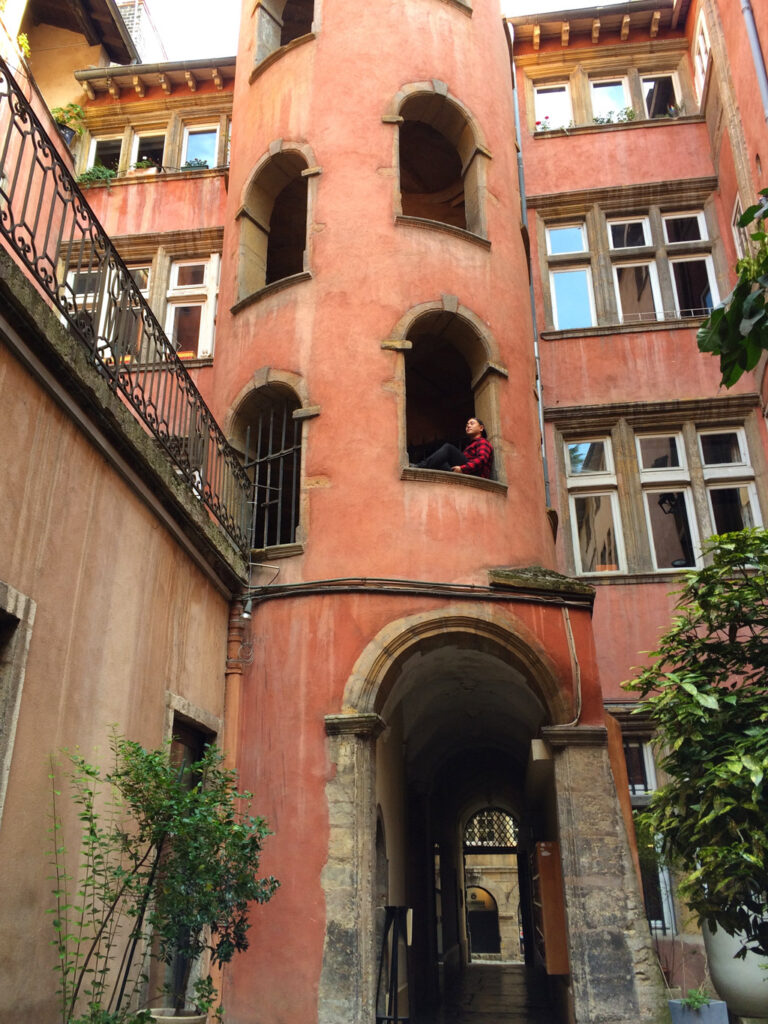
Le Vieux Lyon, the old Lyon, is considered the historic centre of the city. Most of its buildings are old, dating back to the Renaissance, with paved streets that are closed to cars. I recommend strolling and exploring the traboules, a term used only in Lyon for secret covered passageways and courtyards that cut through buildings to connect streets. La Tour Rose, the Pink Tower, dates back to the 1600s and is perhaps one of the most popular.
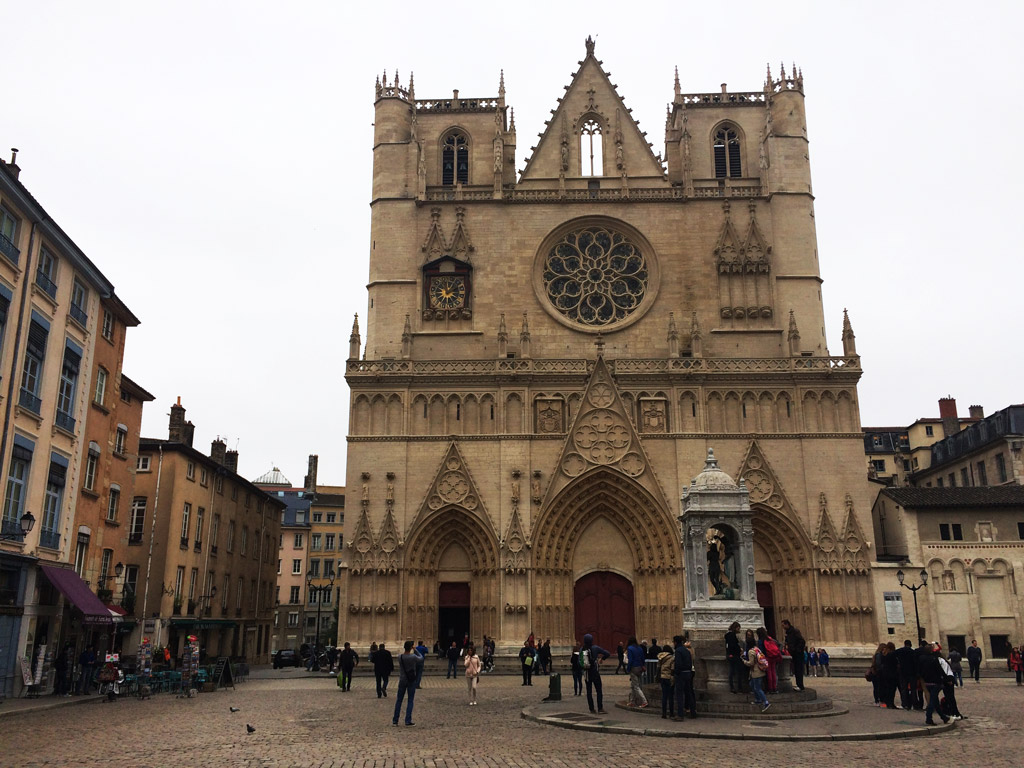
In the heart of the old town, the Cathedrale Saint-Jean is a beautiful Romanesque-Gothic monument, built between the 12th and 14th centuries, and well worth a visit. Next to it, the remains of a 5th-century cathedral are preserved in a small archaeological garden.
A few steps away, you can see the Palais de Justice (currently the Court of Appeal of Lyon) and its imposing entrance, where 24 pillars support the front of the building.
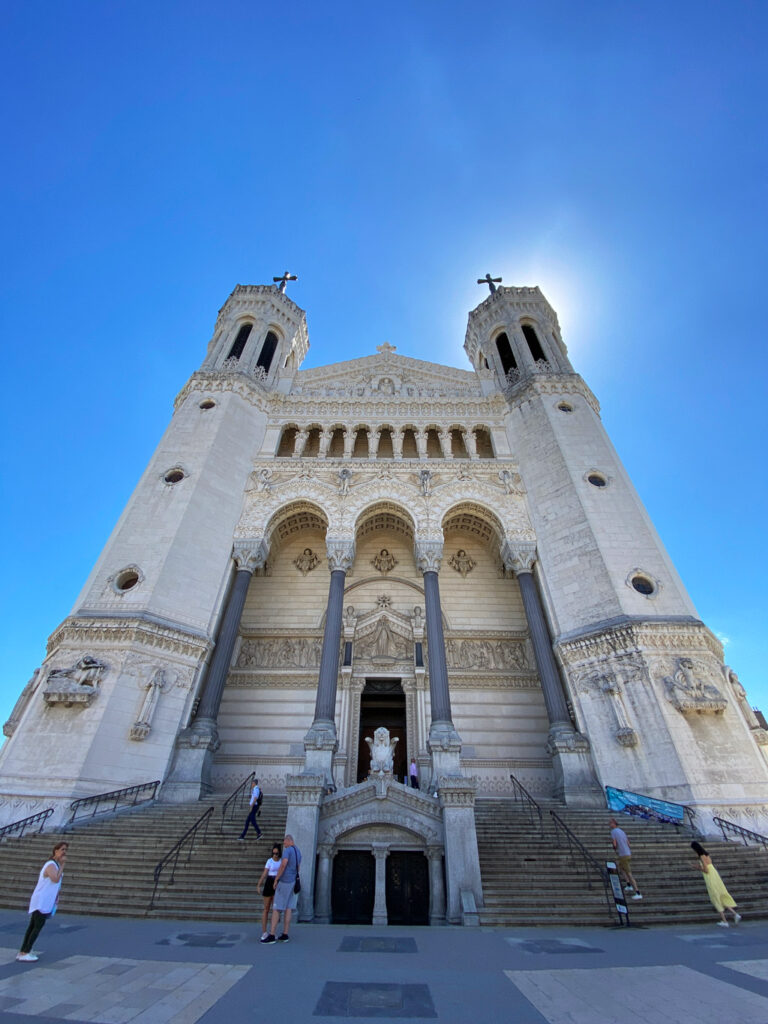
Les pentes de Fourvière
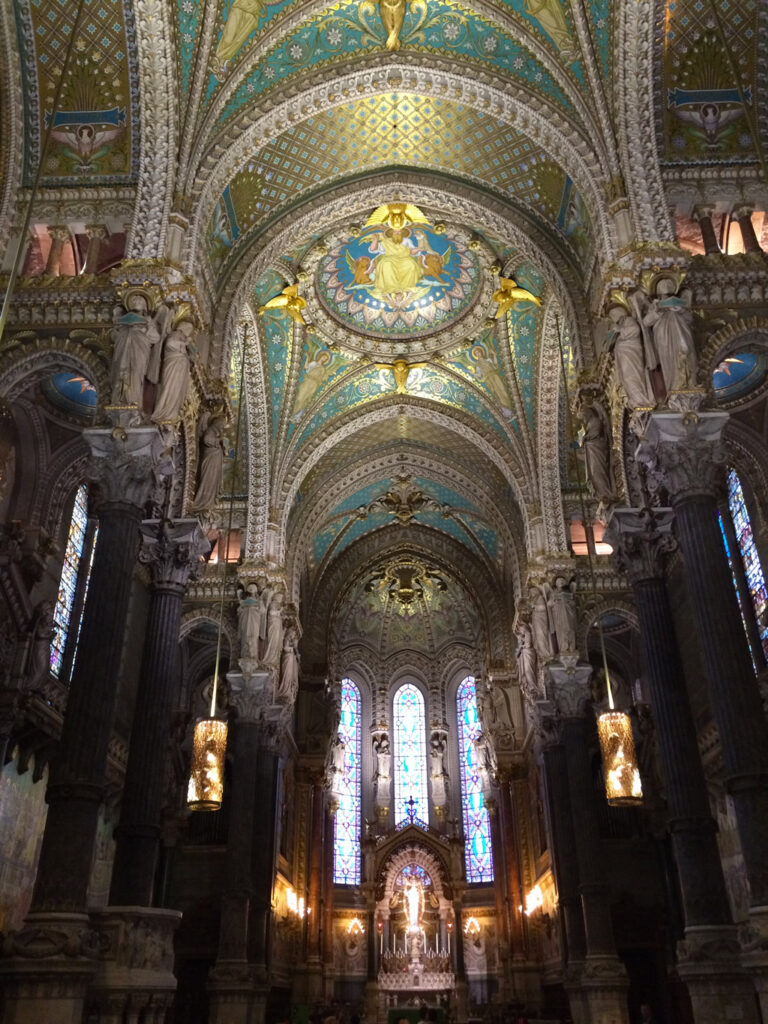
Crowning the city, the Basilica Notre-Dame de Fourvière was built in the 19th century and is a beautiful monument, both on the outside and the inside. But the church is not the only reason to head up the hills of Fourvière.
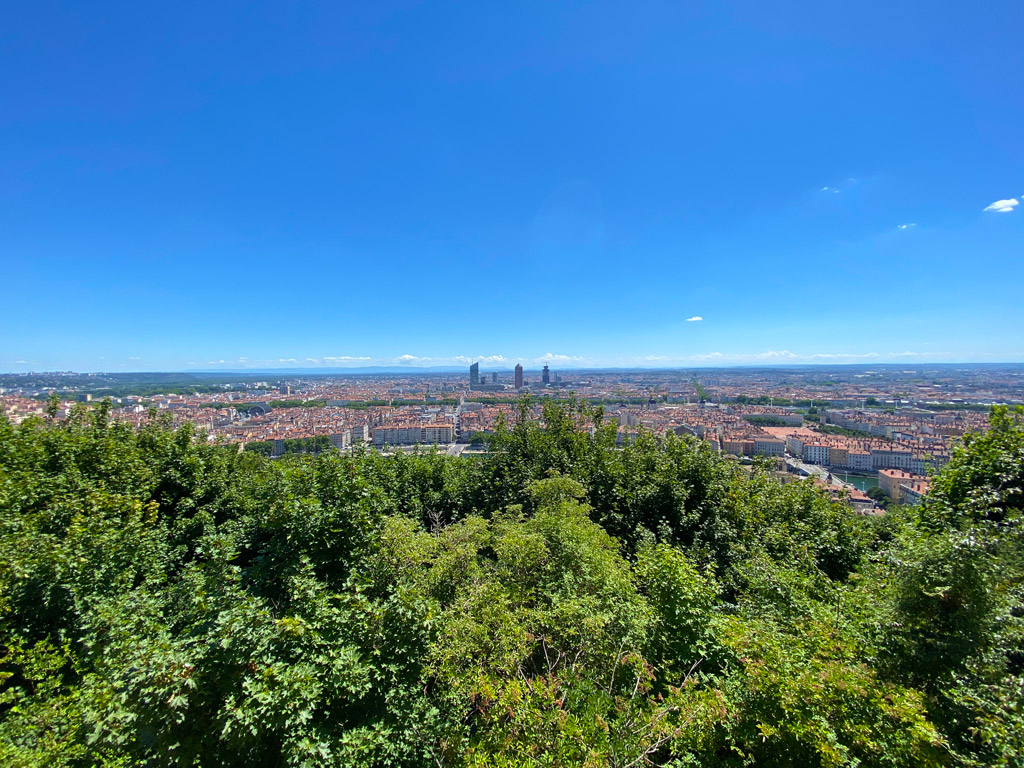
From there, you’ll find an unobstructed 180-degree view of Lyon. If time allows, I recommend going twice, once during the day and once at night, to marvel at the city lights.
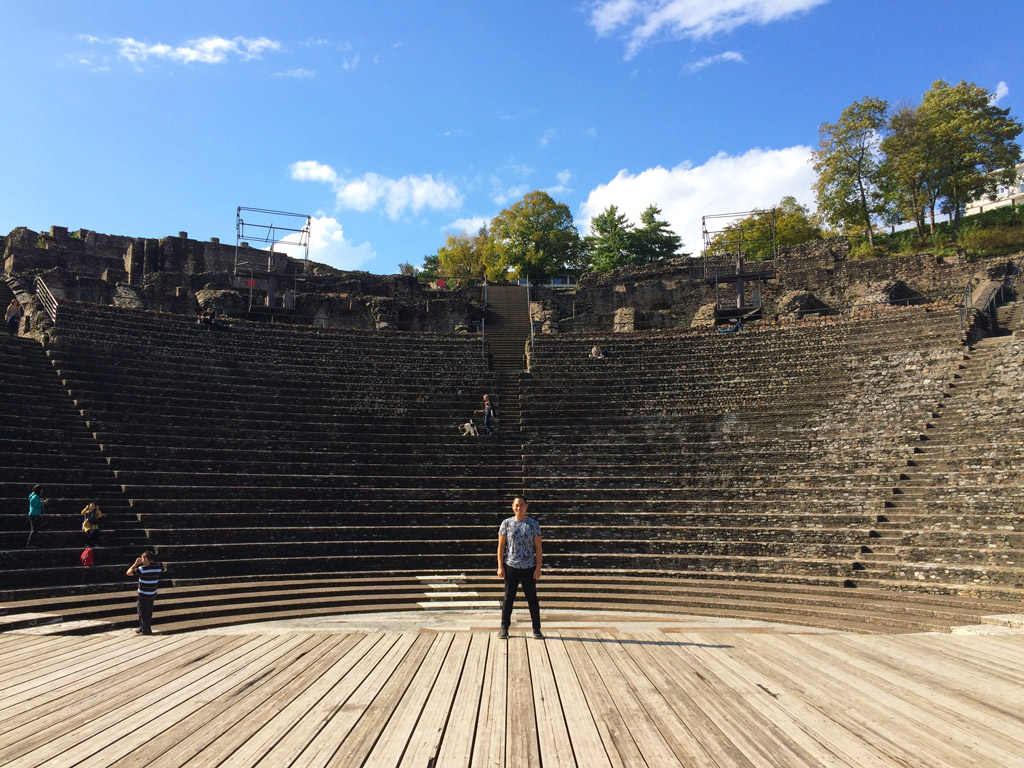
The Théâtre antique de Lugdunum, also known as Théâtre Gallo Romain, is another reason to visit these hills. Historians believe this Roman amphitheatre was built in the first century and used to welcome up to 10,000 spectators. When the Empire collapsed, it was repurposed as a quarry and eventually buried and forgotten. In the late 19th century, it was rediscovered by chance, and the city restored it. While it’s free to visit during opening hours, there’s also a ticketed museum displaying artefacts from the ruins. If you’re visiting late May to mid-June, check out Festival de Fourvière, a three-week long music festival where local and international artists perform on a stage in front of the amphitheatre; a truly unique concert experience.
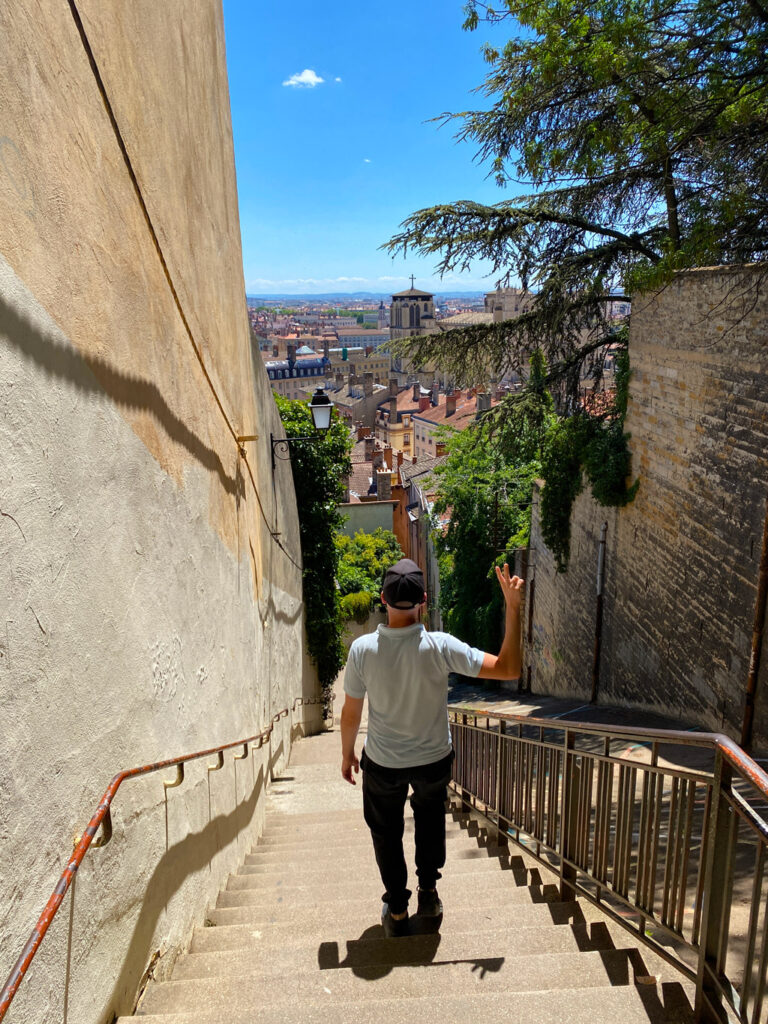
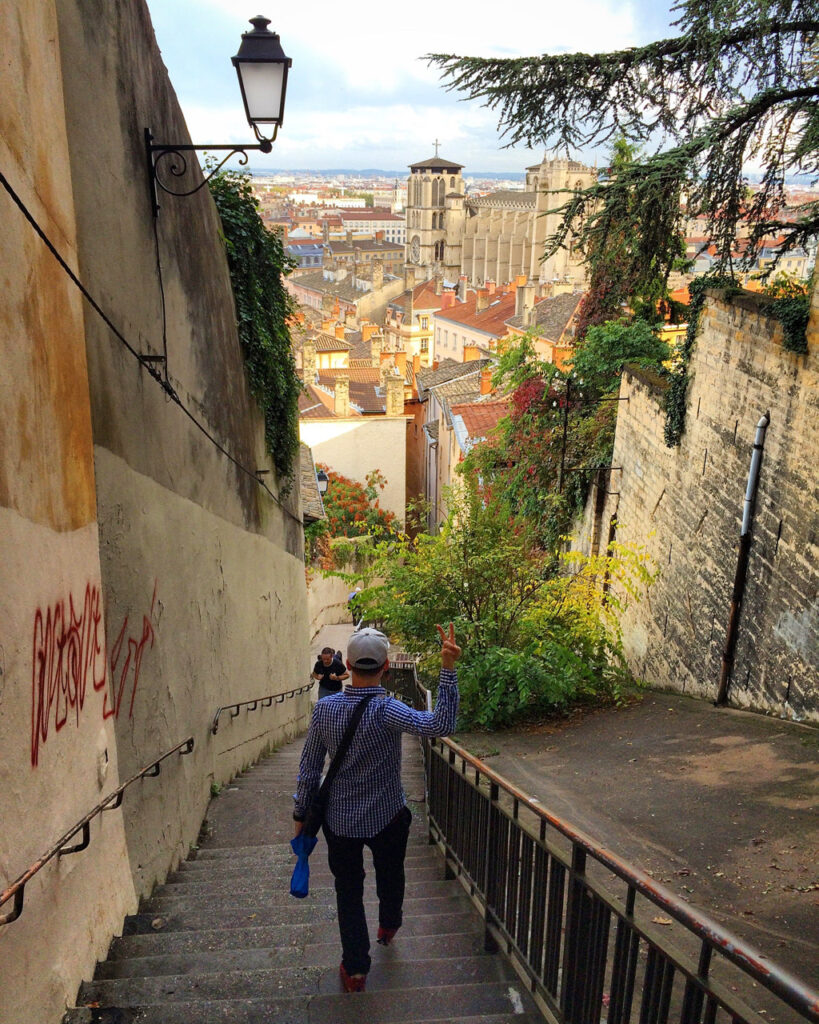
To make your way up there from the old town, I recommend taking the funiculaire; a historic cable car. You can take the funiculaire again on your way down, but I recommend walking back through the gardens and stairways of Fourvière for a scenic view of the rooftops of the oldtown.
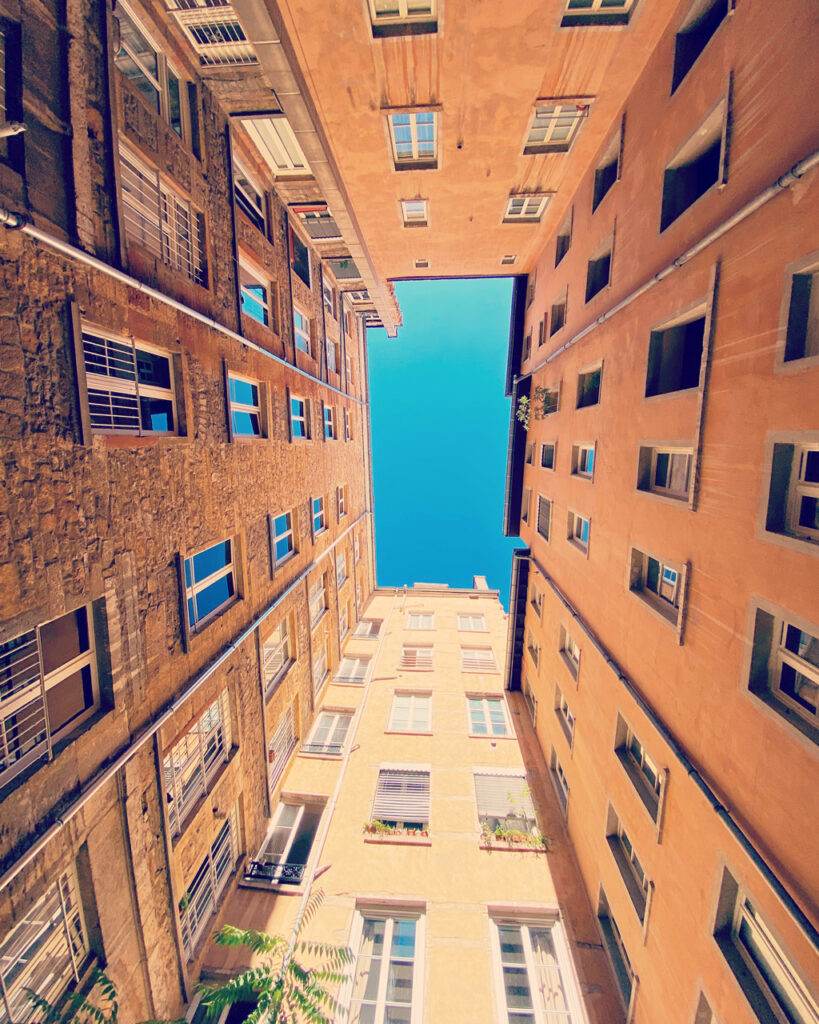
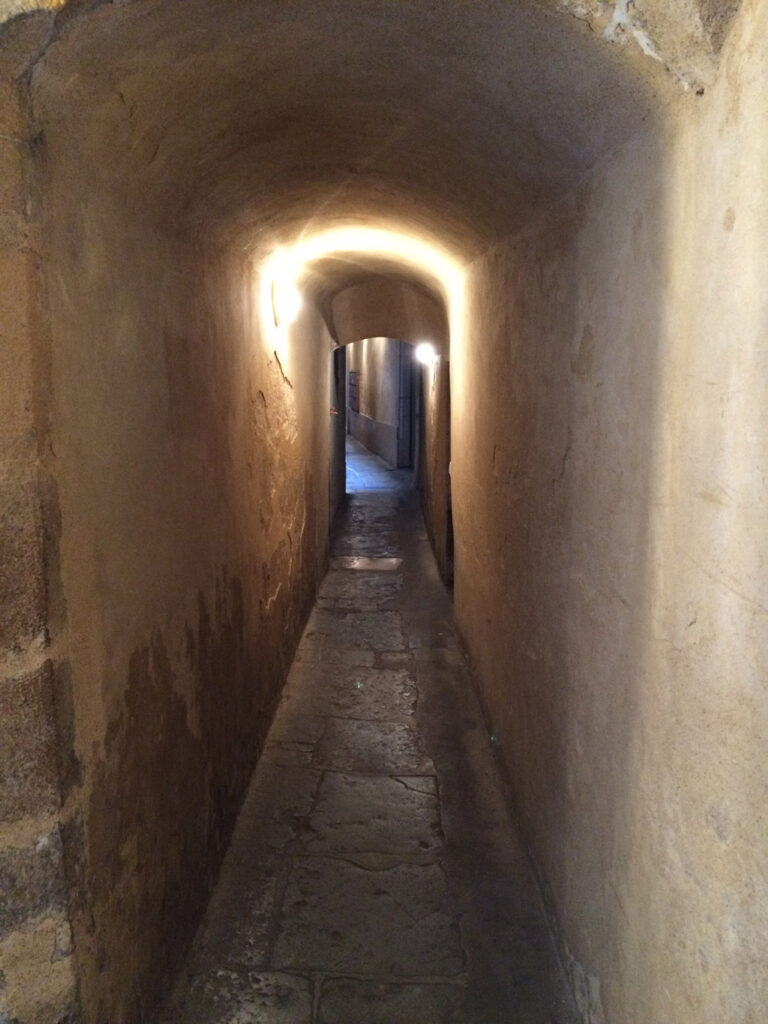
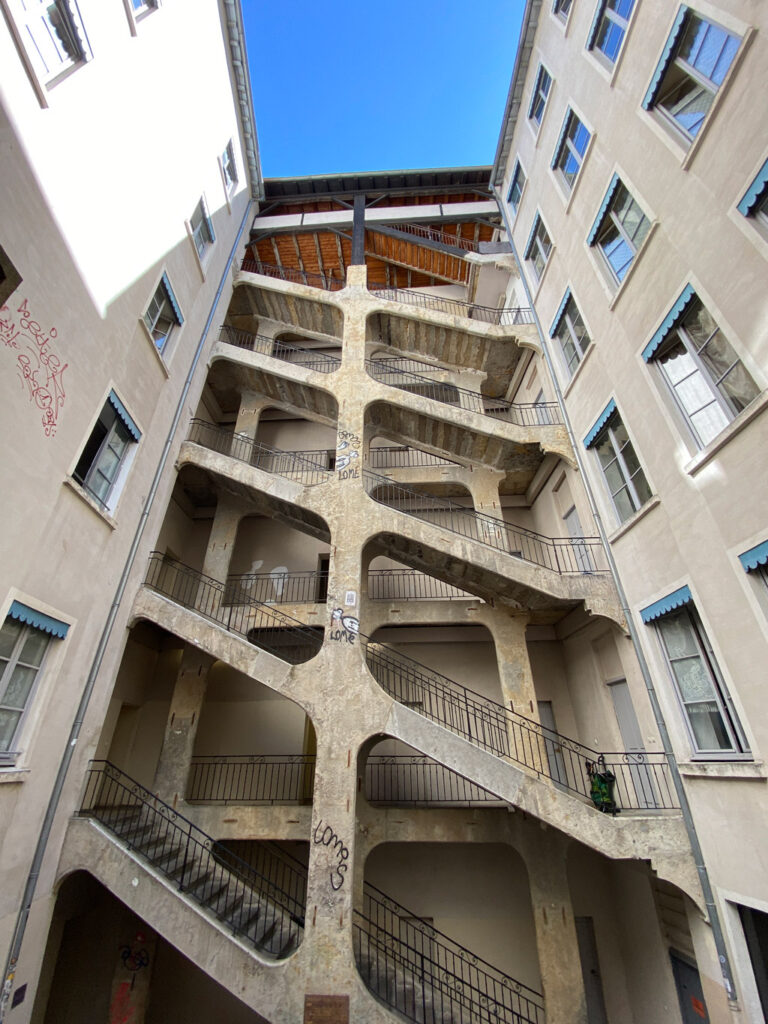
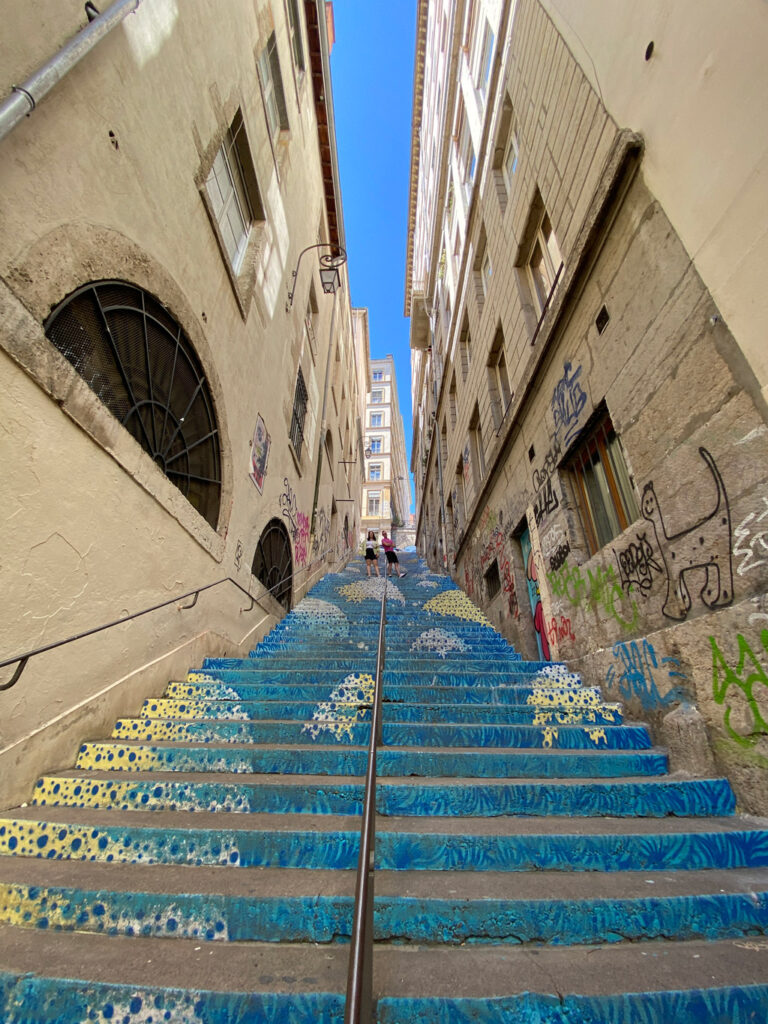
Les Traboules de la Croix-Rousse
On the opposite hill of the city lies the neighbourhood of Croix-Rousse. It has a casual, funky nightlife, but most importantly, the best system of Traboules, or passageways, in Lyon. These passageways are believed to have been built at the beginning of the Middle Ages to help people easily reach water wells at the bottom of the hills or access the boats on the riverbanks. They also played a role in hiding people and goods from the nazis during WW2. Today, I recommend visiting them on weekday mornings, when they are all open to let postal deliveries through.
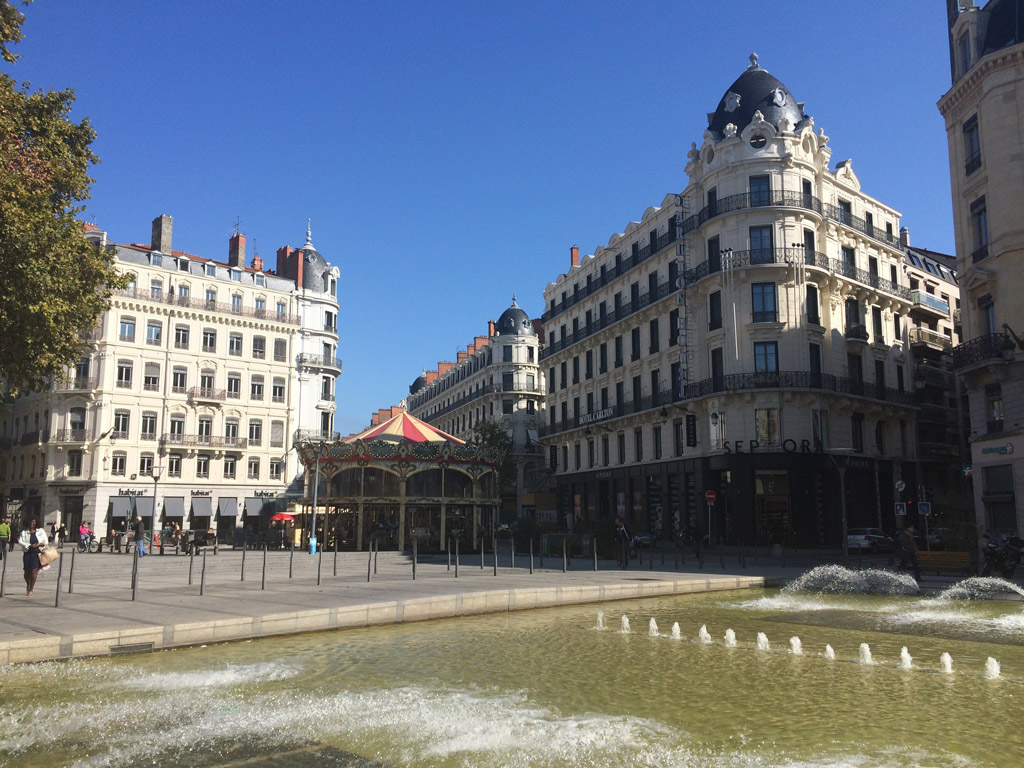
La Presqu’île
Two rivers run through Lyon, the Rhone and the Saone. The peninsula between them, Presqu’île, is considered the centre of the city. Not only does it host Lyon’s main shopping street, but it’s also a great place for walks among the city’s 19th-century buildings and major monuments. Rue Mercière is a remnant of the Renaissance-era Presqu’île, with remarkable 15th and 16th-century buildings that come to life in the evening.
Le Parc de la Tête d’or
Parc de la Tête d’or is the largest urban park in Lyon, featuring a zoo, botanical garden, carousels, children’s train, a lake, and many beautiful trails and picnic spots. From one of the trails, you can take a passageway that runs under the lake and visit Île du Souvenir (the Island of Memory), where you’ll find a monument dedicated to the victims of WW1.
Did you know? Before becoming a public space in the 1850s, the park belonged to a wealthy family, and was believed to have a buried treasure, including a golden head of Christ, which would explain the name tête d’or (“golden head”). However, neither the city nor treasure hunters have ever found any hidden wealth in the park, and today, digging in the park is illegal.
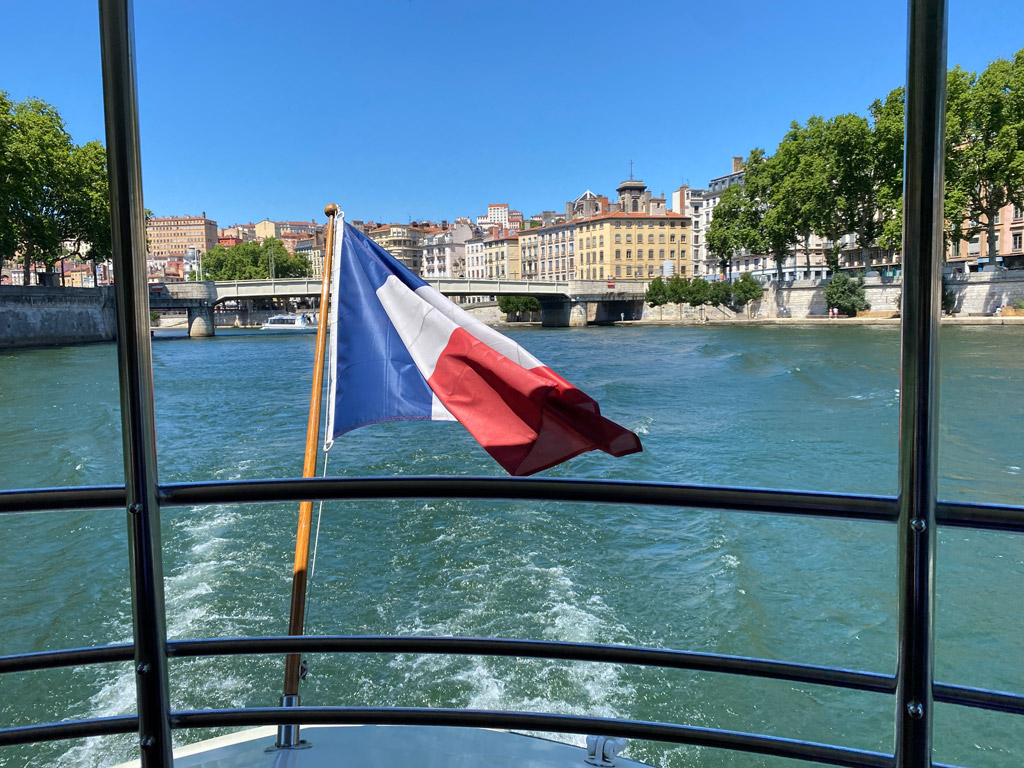
Take a boat ride on the Saone River
For an alternate view of the city, I recommend taking a Vaporetto, or water bus, from the old town to Confluence, one of Lyon’s newest neighbourhoods. While there isn’t much to do there besides shopping and visiting a science museum, it’s the furthest destination you can reach by Vaporetto, making it a great way to see as much of the city as possible by boat.
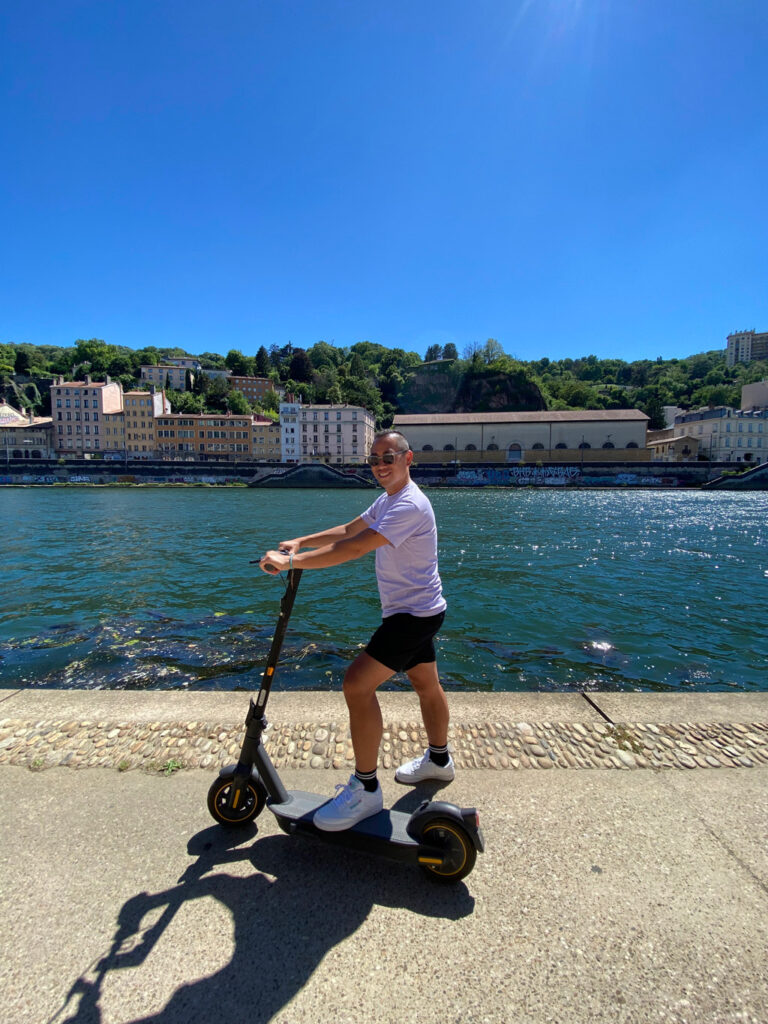
Ride a scooter or a bike along the Saone River
For a fun excursion on a sunny day, rent a bike or a scooter to ride along the banks of the Saone River to the outskirts of town. I recommend renting one from a self-service terminal, starting near Place Bellecour and riding all the way to Île Barbe. The trip takes about 60 to 90 minutes each way. You’ll follow the riverbanks, recently converted into a walkable and bike-friendly trail, where you’ll enjoy art installations and beautiful views of the water and old buildings along the way.
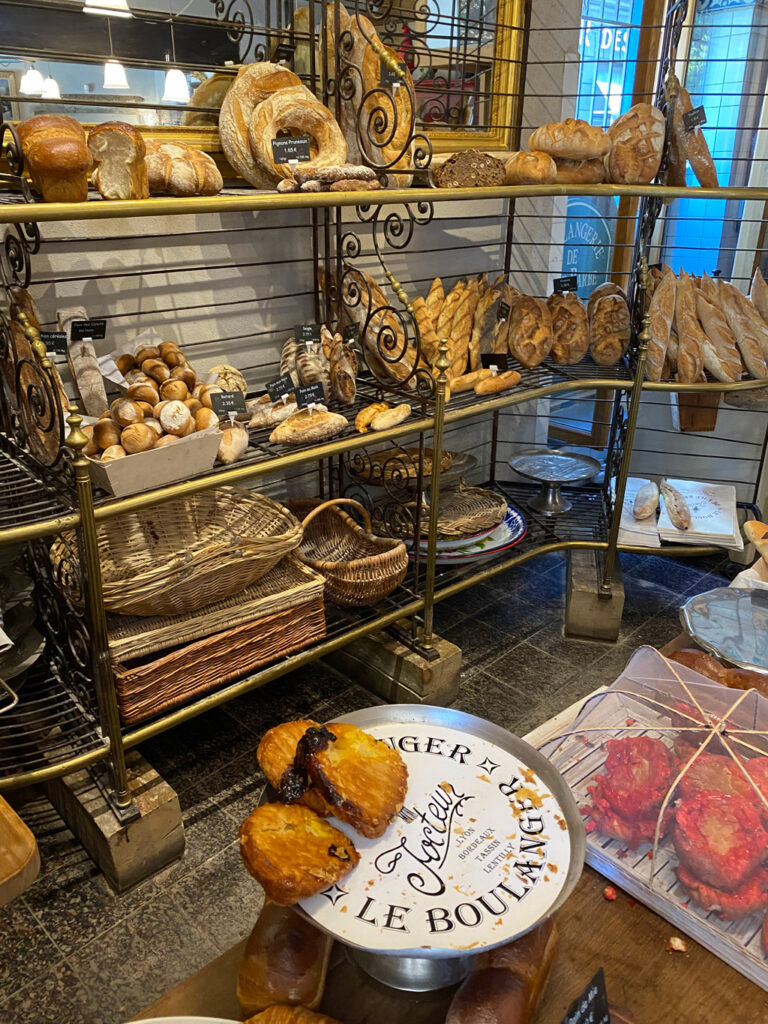
Île Barbe is a tiny island connected to the mainland by a bridge, small enough to walk the perimeter in less than 10 minutes. An abbey founded in the 5th century still stands. I also recommend stopping at Boulangerie Jocteur next to the island, one of the best bakeries in the city, to treat yourself to a pastry before heading back.
Les Monts d’Or et les Monts du Lyonnais
20 to 30-minutes northwest of the city stands a small mountain range called Les Monts d’Or, where you can enjoy beautiful views of Lyon from different vantage points while visiting charming villages full of character. For inspiration, as well as route maps for the villages and trails you can walk or ride, check out this helpful page.
If you’re up for a full day of adventure, Les Monts du Lyonnais offers a more extensive network of walking paths and mountain-biking trails through picturesque valleys. You can plan your getaway here.
If you’re looking for more day trip ideas from Lyon, or other destinations to complete your itinerary, check out the 16 Best Towns & Villages to Explore in the French Countryside. For destinations close to Lyon, look under the Central France section.
Museums worth a visit
There are many museums worth visiting in Lyon. Here’s a list of my favourites:
- Musée Lumière – Visit the house where the Lumière brothers shot the first ever movie in 1895.
- Musée d’art contemporain de Lyon – Features an impressive collection of 2000+ works of contemporary art with rotating exhibitions.
- Musée Cinéma et Miniature – Located in a Renaissance building in Vieux Lyon, this small museum showcases film sets and props from famous movies alongside 1,000 highly detailed miniature masterpieces created by artists from around the world.
- Le Petit Musée de Guignol – Guignol has been a local puppet celebrity since 1808. You’ll learn everything there is to know about the marionette in this small museum.
- Musées Gadagne – Also housed in a Renaissance building in Vieux Lyon, it brings together the Museum of the History of Lyon and the Museum of World Puppets. With nearly 80,000 objects, a renowned Guignol puppet collection, and a Renaissance rooftop garden, they offer a rich overview of Lyon’s cultural heritage.
- Musée des Beaux-Arts de Lyon – This former 17th century abbey is now a museum exhibiting over 80,000 items retracing 5,000 years of history. It has a beautiful garden where you can sit and enjoy the beautiful courtyard without paying admission, and a restaurant.
- Lugdunum – Musée et Théâtres romains – As forementioned, it exhibits the vestiges found in the Gallo-Roman theatre on the hills of Fourvière.
For a more extensive list of museums to visit in Lyon, visit this page.
Cheer for l’OL at a soccer game
Like many European countries, soccer is a religion in France. The local team, l’OL, short for l’Olympique Lyonnais, usually hosts 20 to 25 games each year. Even if you’re not a soccer fan, check if a game is happening while you’re in town and treat yourself to a fun cultural experience. I don’t care for baseball at all, but I once attended a game in Osaka, where the local team was playing in a country that takes baseball very seriously, and I had the time of my life.
What to eat in Lyon?
Lyon is considered the gastronomical capital of France. I’m personally not a big fan of the local cuisine as it’s meat-forward, but here are a few delicacies and eateries you should try during your trip:
- Pink praline brioche or Praluline – A butter brioche, stuffed with pink pralines. My favourites are sold by Boulangerie Du Palais in Vieux-Lyon.
Coussins and quenelles de Lyon – Two sweet delicacies, one representing a pillow and made with almond paste, chocolate and curacao; the other a gold bar made with halzelnuts, cacao and white chocolate.
- Chocolaterie Voisin – A fancy chocolate store where you can buy the coussin and quenelle among many other delicious treats. Their main store is in Presqu’île.
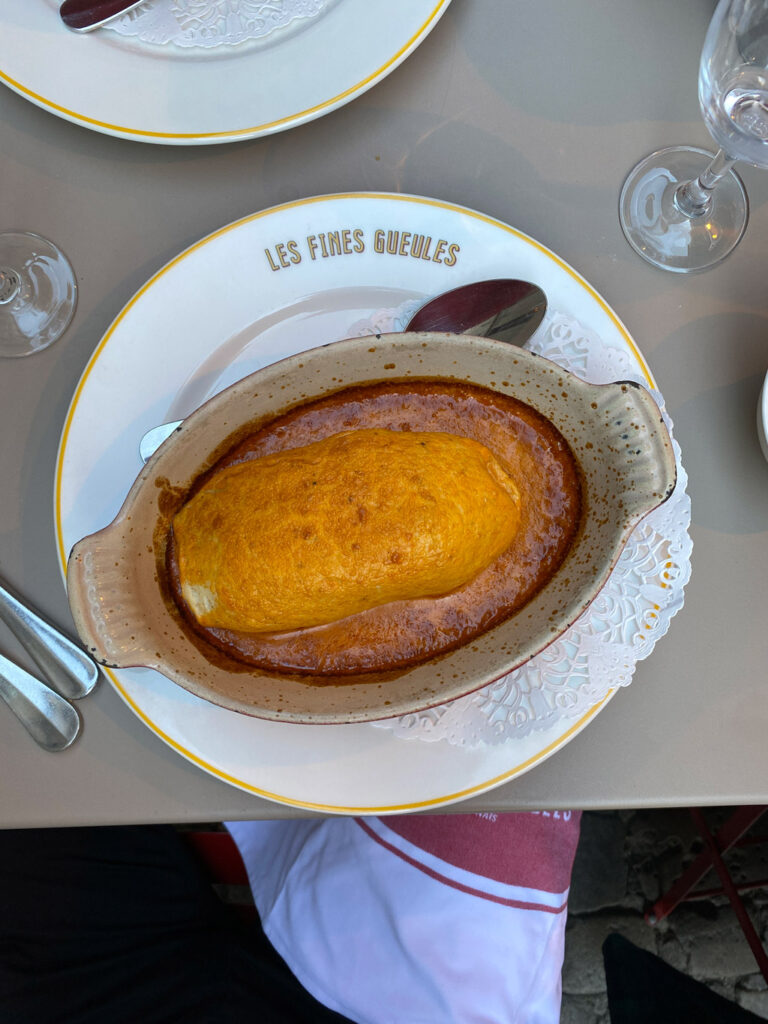
- Quenelles lyonnaises – Not to be mistaken with the forementioned sweet treat, this one is a savoury dish made with flour, butter, milk, eggs, and pike meat. You can find it in traditional restaurants or in supermarkets everywhere in Lyon.
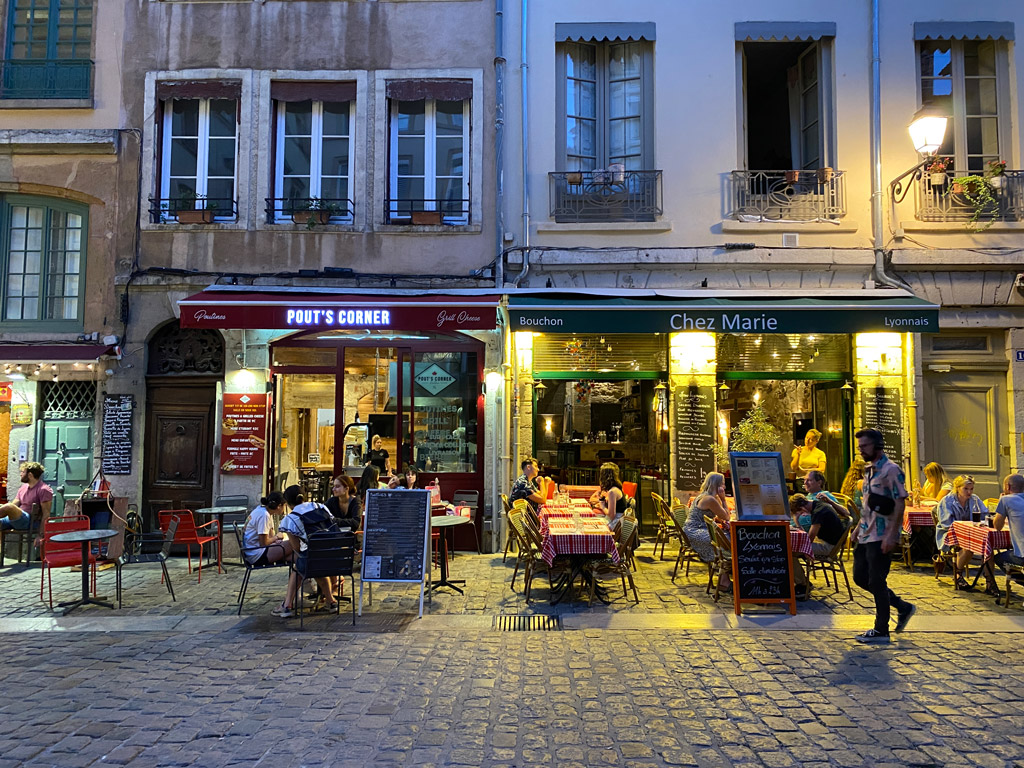
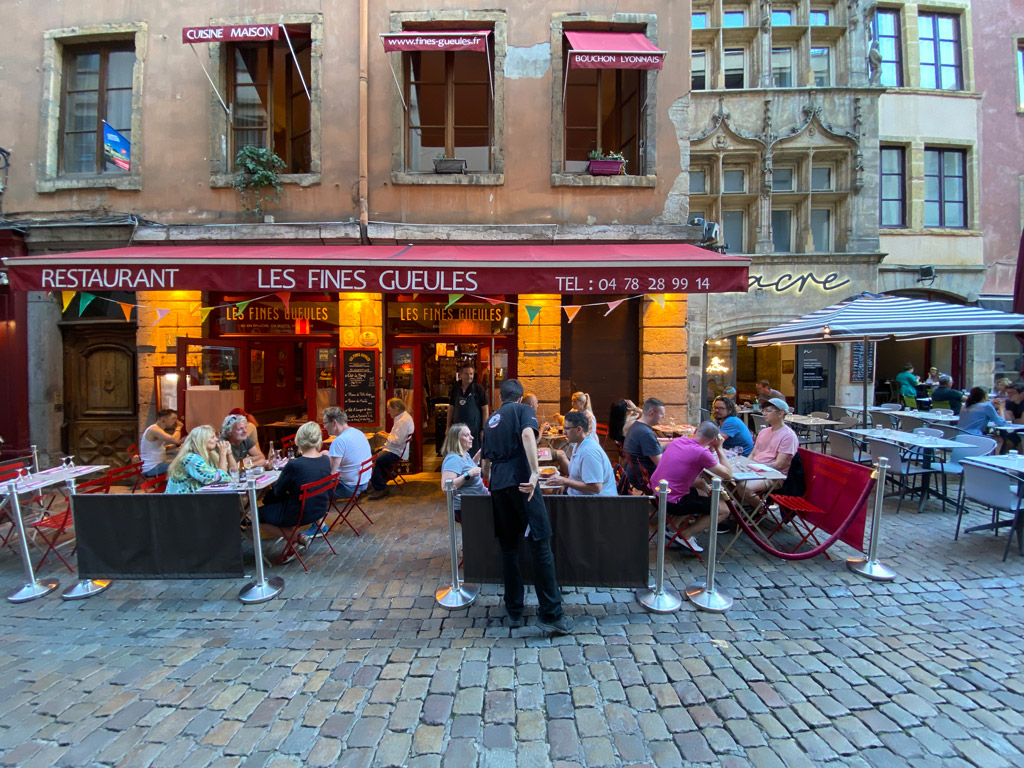
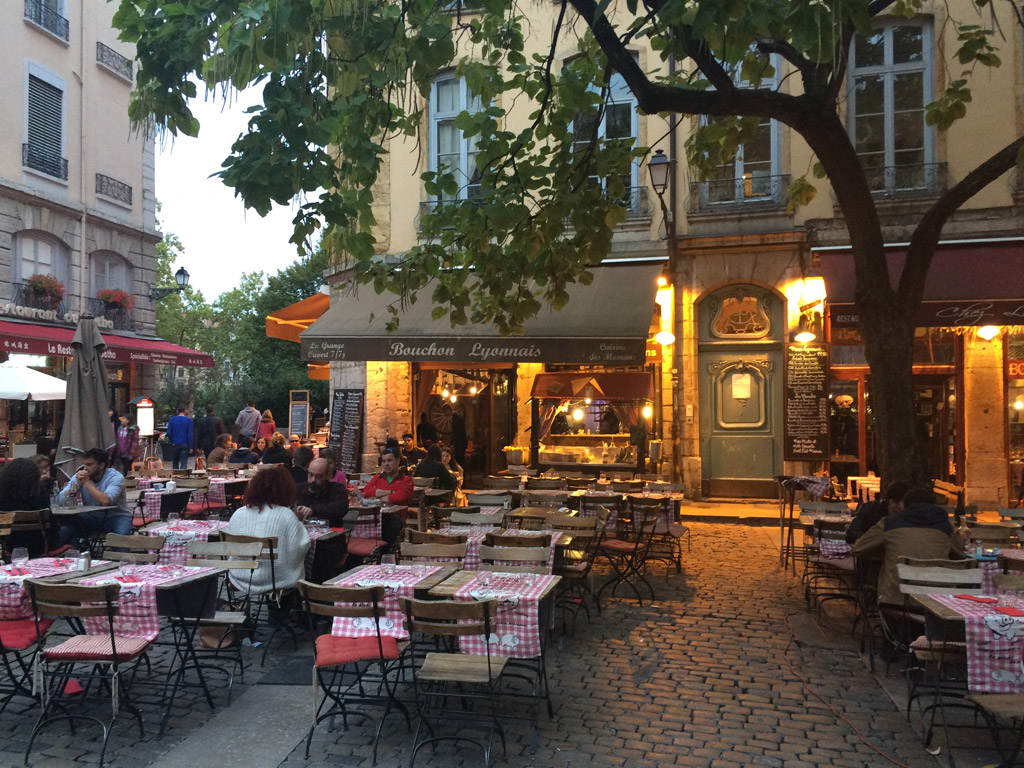
Les bouchons lyonnais – These rustic restaurants are only found in Lyon and serve traditional local dishes, such as quenelles. To ensure you dine at an authentic bouchon, look out for their Authentiques bouchons lyonnais certification.
- Bugnes – Small fried dough fritters that can be tender or crispy.
- Saint-Marcellin Cheese – A soft, creamy cow’s milk cheese that is a must for any cheese lover.
- Les Halles de Lyon – An indoor market with locally sourced food stall and small restaurants to enjoy the best of the local culinary culture.
I hope this blog has you convinced to consider Lyon for your next European adventures!
Safe travels ahead,
Thomas
